


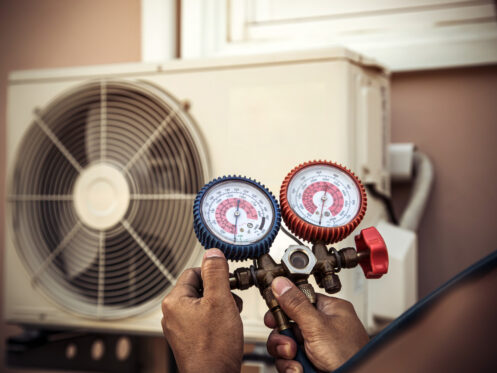
Heat Pumps in Edison are becoming a reliable option for handling cold winter temperatures efficiently. Cold winters in Edison leave little room for heating systems that can’t keep up. As we get through February, having the right system in place can make your home warmer, your energy use more manageable, and your indoor air more balanced. While furnaces have long been the go-to option, more homeowners are considering heat pumps as a smarter heating and cooling solution.
Heat pumps don’t just heat your space. They can also cool it when summer returns. And with newer models built to handle colder temperatures, these systems have become a practical choice for homes in Central New Jersey. Here, we’ll walk through how heat pumps work, what to look for when comparing them, and how to choose the right setup for your home in Edison.
What Is a Heat Pump and How Does It Work?
A heat pump moves warm air rather than generating heat, which makes it different from gas or electric furnaces. It works by pulling in heat from the air outside, running it through a compressor and refrigerant, and then moving it indoors. In summer, that process runs in reverse to cool your home.
There are a few types to keep in mind:
- Air-source heat pumps, which are the most common and cost-effective
- Ductless mini-split systems that are ideal for older homes or additions with no ductwork
- Hybrid heat pump systems that combine electric and gas heating with automatic switching
This design allows for year-round comfort using a single system. Because it doesn’t burn fuel to create heat, many find their utility bills more stable throughout the seasons. These systems often appeal to homeowners looking to simplify their HVAC setup and lower long-term upkeep.
Are Heat Pumps in Edison a Good Fit for Winter?
Some older heat pump models struggled during cold snaps, but newer models are far more reliable in late-winter weather. That’s good news for homeowners in Edison, where temperatures stay cold but rarely drop into extreme lows for long periods.
To get the most out of a heat pump in this area, these factors make a difference:
- A well-insulated home holds heat better and avoids overworking the system
- Homes that are appropriately sized for a heat pump can avoid uneven temperatures
- For added peace of mind, many households pair their heat pump with a backup gas furnace or electric strips
This kind of setup, sometimes called a dual-fuel system, automatically switches to the backup source when outside temperatures get too low for the heat pump to work efficiently on its own. For more insight on heat pump efficiency and cold climate performance, look for features designed for cooler regions like Edison. Knowing your heat pump is built to handle local weather patterns gives confidence each winter.
Key Features to Look for When Selecting a Heat Pump
When comparing models, performance and reliability are top priorities. Sizing is critical, especially for homes in Edison, where winters can be long. A system that’s too small won’t keep up with demand, and one that’s too large will cycle on and off too quickly, wearing down parts and raising energy costs.
Here are some key features to pay attention to:
- SEER (Seasonal Energy Efficiency Ratio) and HSPF (Heating Seasonal Performance Factor) ratings tell you how efficient the unit is across seasons
- Variable-speed compressors or fan motors can adjust performance based on heating needs, which improves comfort and reduces energy waste
- Noise level matters too, especially for indoor units that sit close to bedrooms or living spaces
- Smart thermostat compatibility lets you maintain settings, presets, and humidity control year-round
All these features combine to create a system that runs better in Edison’s changing seasons without needing constant adjustment. With these factors, homeowners can choose a heat pump that fits both their daily needs and long-term plans for comfort and savings.
Comparing Heat Pump Options for Edison Homes
When you think about installing a new system, start with your home’s layout, age, and current heating solution. The right choice depends on your space and how you use it.
- Whole-home heat pump systems work best in homes with central ductwork already in place
- Zoned ductless mini-split systems make sense for homes with additions or parts that don’t heat evenly
- Hybrid setups are a smart option for homes that need a fallback plan during deep cold spells
Different systems also come with different price points and installation considerations. Asking a professional the right questions, like whether your panel can support electric backup or how much duct sealing may be required, helps avoid surprise costs or performance issues later. It’s also a good idea to be honest about how you use each part of your home, since this can impact which zones need the most attention.
Models that carry the official ENERGY STAR cold climate heat pump certification are often good choices in this climate because they’ve passed tests for efficiency under lower temperatures. Having a certified heat pump means the unit will stand up better against Edison’s colder days.
Maintenance Tips to Get the Most From Your Heat Pump
Like any HVAC system, heat pumps run better with a little seasonal care. Cold winters in Edison put steady demand on heating systems, so keeping yours clean and running smoothly can make a big difference.
Use these habits to protect your system and help it perform at its best:
- Set reminders to check filters every month during peak heating months.
- Clear leaves, snow, or branches from the outdoor unit to keep vents open and airflow steady.
- Keep an eye on indoor air returns so dust doesn’t block circulation.
- Stay on top of filter replacement to keep the airflow clean through every season.
If you notice odd noises, airflow changes, or the heat pump switching cycles too often, it’s time to call for a check-up. Annual inspections just before or after winter help catch small issues early. They can also make sure your system is heating evenly and switching modes correctly as the season changes. Maintenance also includes checking wiring, refrigerant lines, and making sure controls respond as they should.
Creating Reliable Comfort Before Spring Hits
Late winter in Edison can be unpredictable. Some days are mild, others hang around freezing. That’s why the end of February is a smart time to get ahead of day-to-day heating frustrations and plan for longer-term performance.
Choosing the right heat pump means better comfort, better moisture control, and fewer temperature swings across your home. It’s not just about this season; the right setup gives you efficient heating now and dependable cooling later when summer arrives. By taking time to consider your home’s needs and the system’s features, you can land on a choice that works well now and into the warmer months. Planning ahead in late winter sets you up for comfort and smooth transitions as the weather changes. This not only helps reduce sudden mechanical surprises but also means you’re ready for the seasonal shift.
Ready to explore efficient heating solutions for your Edison home? At Conway Comfort Heating & Cooling, we offer expert guidance and reliable service to ensure your heating system is up to the challenge. Whether you’re upgrading or installing new heat pumps, our team is here to help you achieve year-round comfort and energy savings. Contact us today to find out the best options for your home’s unique needs.
Heat Pumps in Edison offer year-round comfort with efficient heating in winter and cooling in summer.